
Indian maize is a major commodity in the global agricultural trade.
Major Commodity in the Global Agricultural Trade
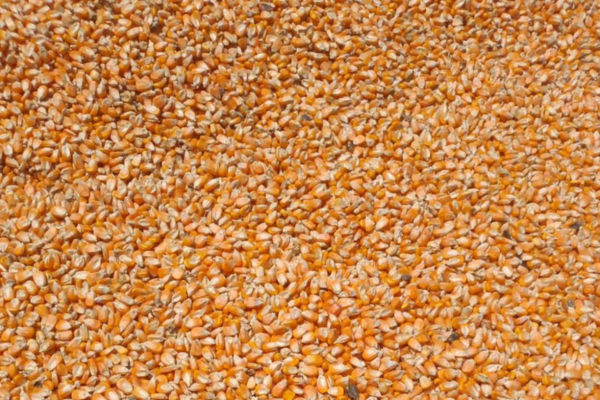
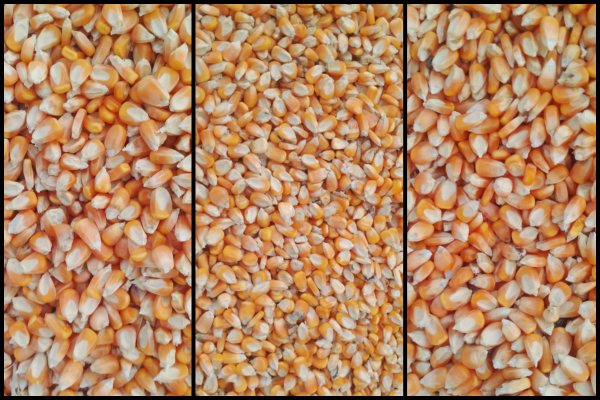
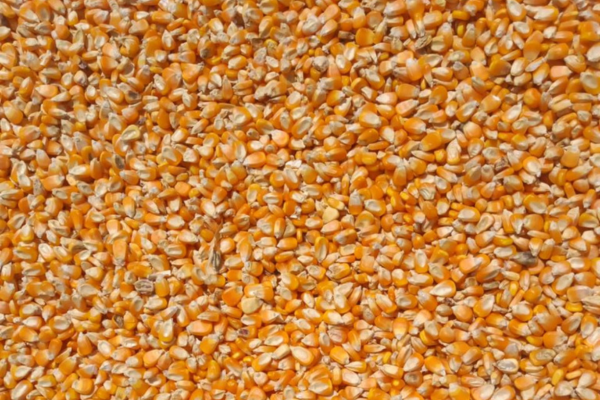
Indian maize (predominantly Yellow Maize or Yellow Corn) is a major commodity in the global agricultural trade. It is highly valued internationally for its non-GMO status, high nutritional profile, and competitive pricing, making it a staple for the animal feed industry, human consumption, and industrial starch production.
To meet international standards, Indian yellow maize must adhere to strict quality parameters. While exact requirements vary slightly depending on the buyer and the end-use (feed vs. human consumption), standard export specifications generally include:
- Moisture: 12% – 14% Max (Crucial to prevent fungal growth during ocean transit).
- Purity: 98% – 99% Min.
- Foreign Matter: 1% – 2% Max.
- Broken Kernels: 2% – 3% Max.
- Damaged/Discolored Kernels: 2% – 5% Max.
- Weevilled/Insect-Damaged Seeds: 1% – 2% Max.
- Aflatoxin: 20 ppb Max is standard for most feed markets (premium markets or human consumption may require 10 ppb or less).
Packaging & Logistics
- Packaging: Typically packed in 50 kg new PP (polypropylene) bags or Jute bags. For larger deals, it is frequently shipped loose/bulk in 20ft or 40ft containers.
- Fumigation: Mandatory treatment of the cargo prior to departure to ensure it is 100% free of live insects or pests.
- APEDA Registration: A mandatory Registration-cum-Membership Certificate (RCMC) for agricultural exports.
- Phytosanitary Certificate: Issued by the National Plant Protection Organization (NPPO) to certify the cargo’s health and safety.
- Certificate of Origin: To establish the Indian origin of the goods for your buyer.
